Archives
- 2026-10
- 2026-09
- 2026-08
- 2026-07
- 2026-06
- 2026-05
- 2026-04
- 2026-03
- 2026-02
- 2026-01
- 2025-12
- 2025-11
- 2025-10
- 2025-09
- 2025-04
- 2025-03
- 2025-02
- 2025-01
- 2024-12
- 2024-11
- 2024-10
- 2024-09
- 2024-08
- 2024-07
- 2024-06
- 2024-05
- 2024-04
- 2024-03
- 2024-02
- 2024-01
- 2023-12
- 2023-11
- 2023-10
- 2023-09
- 2023-08
- 2023-07
- 2023-06
- 2023-05
- 2023-04
- 2023-03
- 2023-02
- 2023-01
- 2022-12
- 2022-11
- 2022-10
- 2022-09
- 2022-08
- 2022-07
- 2022-06
- 2022-05
- 2022-04
- 2022-03
- 2022-02
- 2022-01
-
Similarly Dilma et al tried to assess the diagnostic
2024-02-19
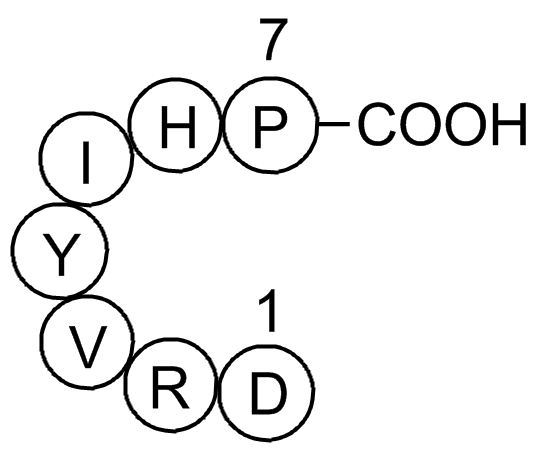
Similarly Dilmaç et al. [16] tried to assess the diagnostic value of adenosine deaminase activity in sputum of patients with pulmonary tuberculosis, their aim was to determine and compare sputum ADA activity in pulmonary tuberculosis, lung cancer and chronic obstructive pulmonary disease (COPD) pati
-
Betulinic Acid Tension within the network could be
2024-02-19
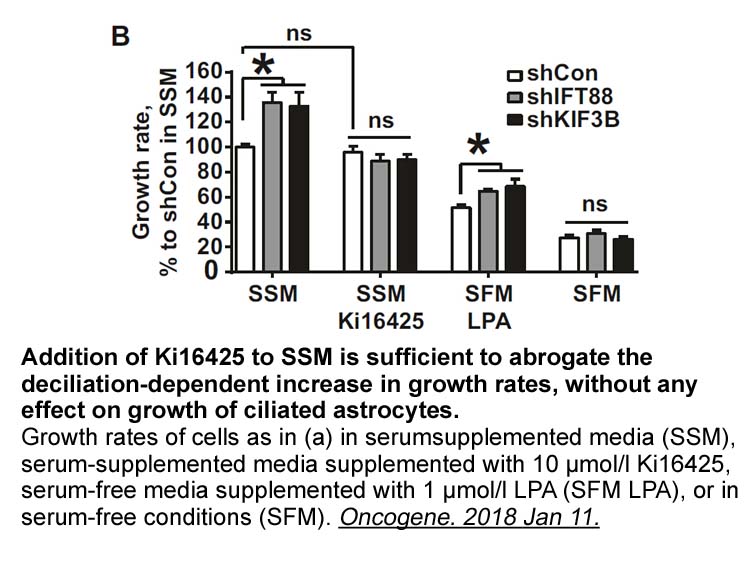
Tension within the network could be explained by two potential mechanisms: the more classical contractility that is dependent on motor proteins that are pulling Betulinic Acid filaments towards each other [10]; or contractility that is caused by disassembly of a crosslinked network of actin filamen
-
The subdivision of HT receptors started in the s by
2024-02-19

The subdivision of 5-HT receptors started in the 1950s by Gaddum and colleagues, when they realised that in the guinea pig ileum, the effects of 5-HT could be blocked in part by morphine (M), and in part by dibenzyline (D). Gaddum and Picarelli proposed two receptor classes, 5-HT M and 5-HT D (1957)
-
AMG-458 br Identification of the kinase that phosphorylates
2024-02-19
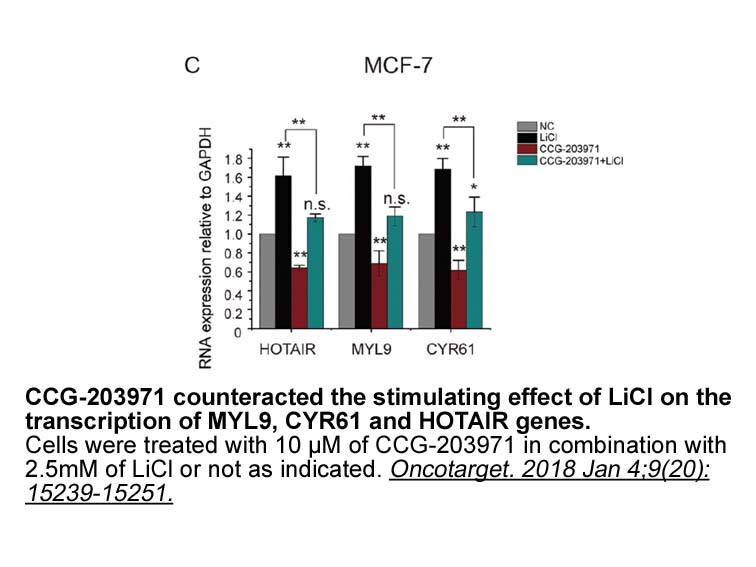
Identification of the kinase that phosphorylates P450c17 The first Ser/Thr kinase that phosphorylates P450c17 was identified only recently. Of the 518 kinases in the human ‘kinome’ 278 are Ser/Thr kinases (Manning et al., 2002), but microarrays identified only 145 Ser/Thr kinases in human NCI-H29
-
br Introduction S http www apexbt
2024-02-19
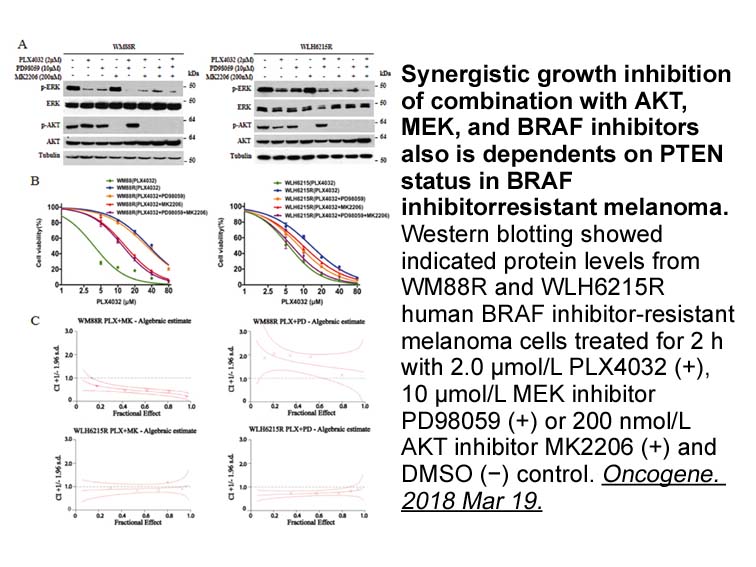
Introduction Systemic lupus erythematosus (SLE) is a group of systemic autoimmune disorders characterized by anti-nuclear SAG supplier (ANA), rashes and photosensitivity, joint inflammation, nephritis, and other clinical criteria. SLE develops through the breakdown of three major checkpoints: ada
-
NADP/NADPH Quantitation Colorimetric Kit br Aurora A Aurora
2024-02-19

Aurora-A, Aurora-B and Aurora-C small molecule inhibitors Nicholas et al. described phenotypic cellular screening of new highly potent and selective class of Aurora kinase inhibitors. Fragment based approach was utilized; core structure of 57 (Fig. 5) was optimized and selective inhibitor 58 (Fig
-
The analysis of the profile of protein phosphorylation
2024-02-19
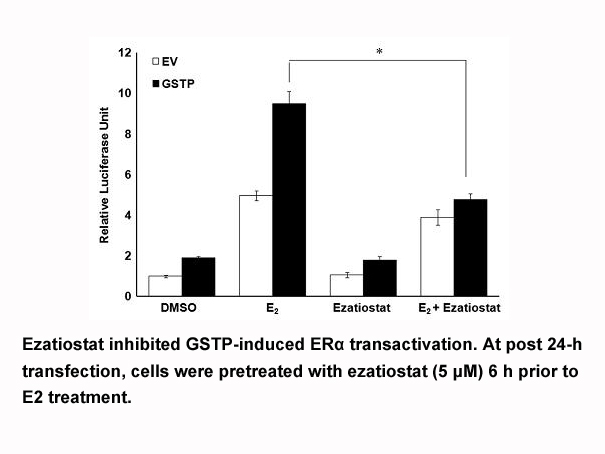
The analysis of the profile of protein phosphorylation in MMS-treated AZ 10606120 dihydrochloride confirmed that both the ATM and ATR pathways were activated in S-phase blocked cells. Interestingly, phosphorylation of Chk1 was observed 24h after MMS-treatment both in AT- and ATM-inhibited cells, wh
-
br Results br Discussion Both ATM and
2024-02-19
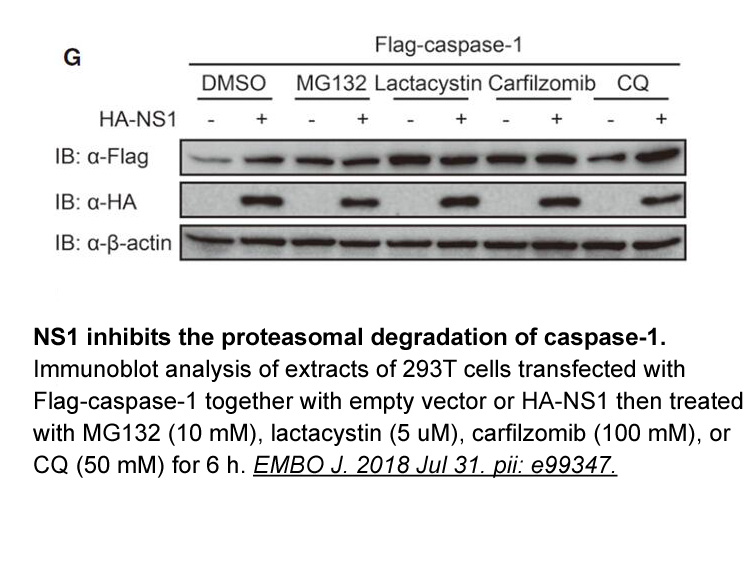
Results Discussion Both ATM and ATR are key regulators of the cellular response to DSBs, yet how exactly they function in concert is not well understood. Recent studies revealed that ATM is required for the resection of DSBs (Jazayeri et al., 2006, Myers and Cortez, 2006), a process necessary
-
Because R gene is positively regulated by
2024-02-19

Because 5α-R2 gene is positively regulated by T and in the prostate gland (Torres et al., 2003), and our BPA-treated rats showed decreased circulating T and probably intraprostatic androgen levels, it might be responsible for the decrease of 5α-R2 expression. However, in a previous work using castra
-
It has been proposed that a
2024-02-19
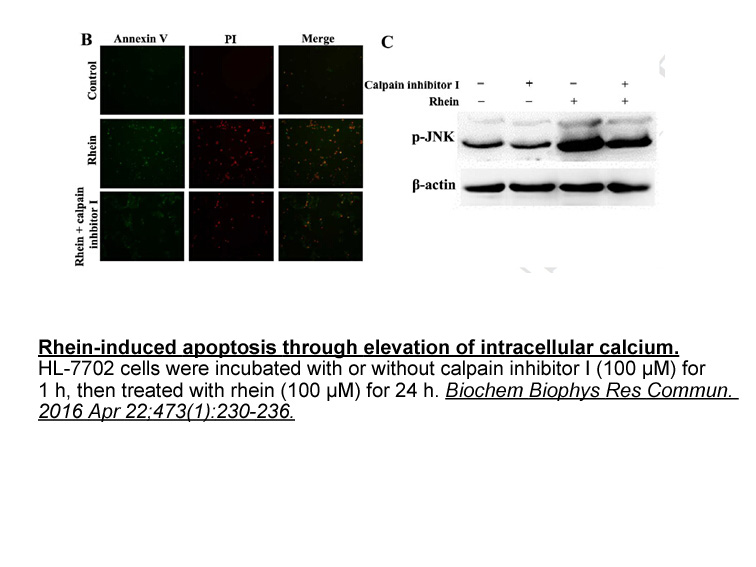
It has been proposed that a PrP pathogenic mechanism is a toxic gain of function secondary to the misfolding of mutated PrP. However, such a mechanism might not apply to all mutant PrP species, since some mutations had little effect on the stability and folding kinetics of PrP (Swietnicki et al., 19
-
br Summary br Introduction With readily synthetic methods an
2024-02-19
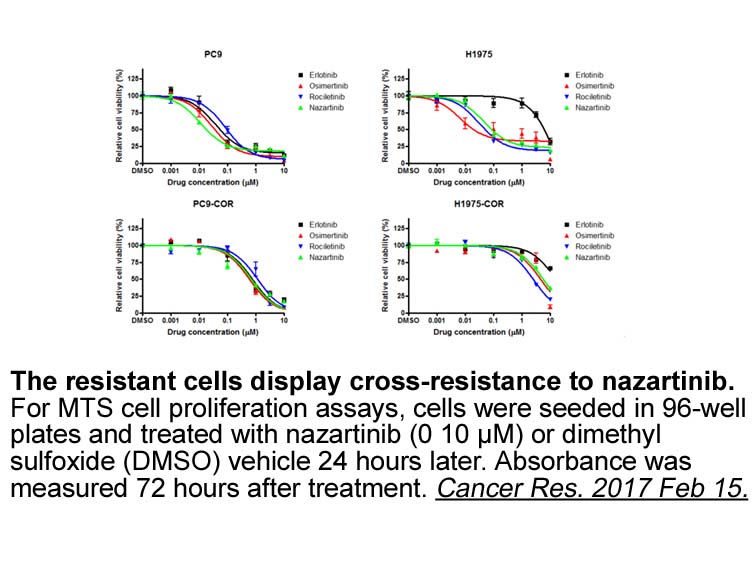
Summary Introduction With readily synthetic methods and excellent chemical/physical characteristics, coumarins have received extensive attention and show great practical values in many fields, such as medicine discovery, dye chemistry, materials chemistry and so on [[1], [2], [3]]. Actually, o
-
AMPK is a central regulator of cell growth migration
2024-02-18
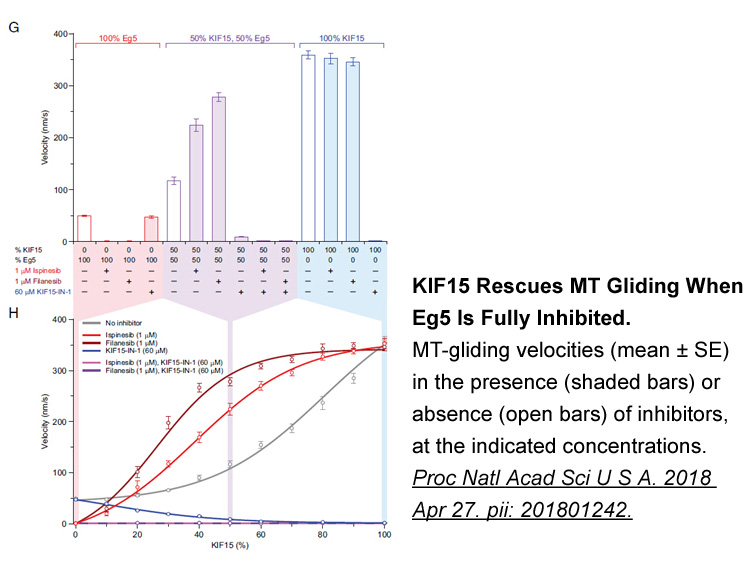
AMPK is a central regulator of cell growth, migration, metabolism, autophagy, and cell polarity [20], [21], [22], [23]. It is highly conserved in eukaryotes and functions as the primary sensor of intracellular adenosine nucleotides [24]. When intracellular ATP levels decrease, AMPK is activated to g
-
We start with a basic description of the MT SGL
2024-02-18
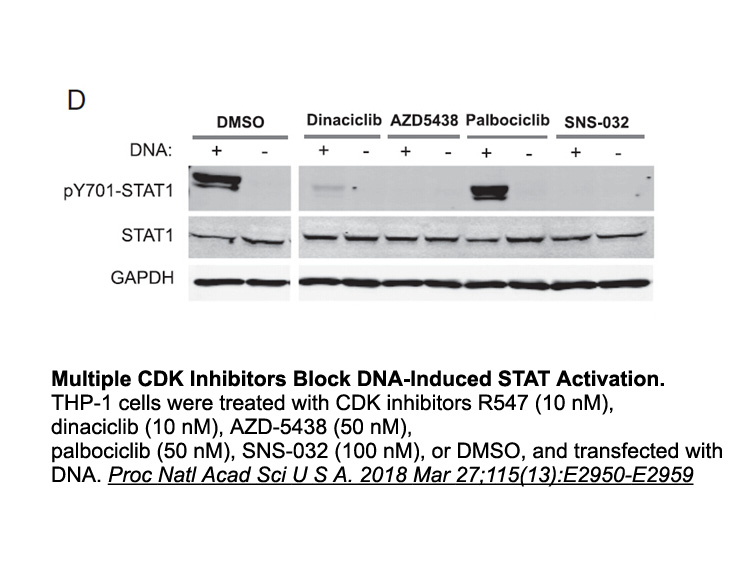
We start with a basic description of the MT-SGL model. Consider a multi-task learning (MTL) setting with k tasks. Let p be the number of covariates, shared across all the tasks, and n be the number of samples. Let denote the matrix of covariates, be the matrix of responses with each row correspondin
-
At present the role of autophagy in neurons remains controve
2024-02-10
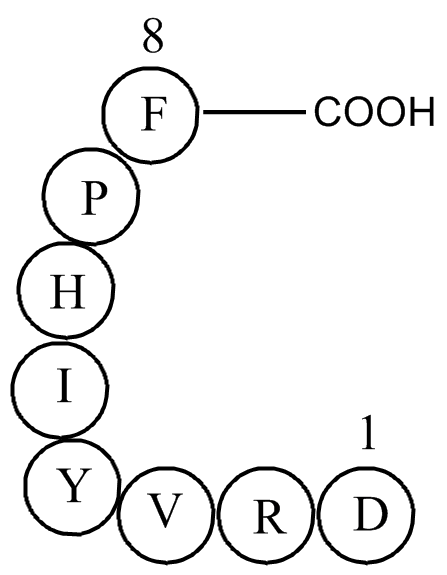
At present, the role of autophagy in neurons remains controversial. Autophagy has homeostatic and waste-recycling functions and plays a protective role in neurodegeneration diseases. Moreover, it has been thought as a programmed cell death participating in the occurrence and development of various d
-
To further investigate the role of cholesterol in the Rh
2024-02-10
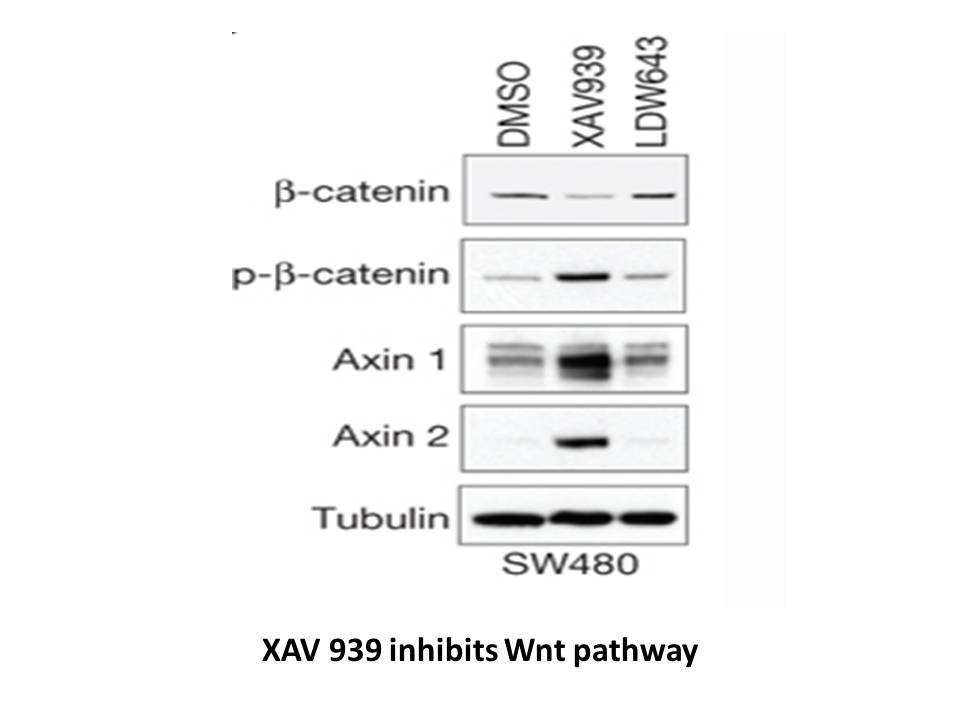
To further investigate the role of cholesterol in the Rh2-induced cytotoxicity, we then focused on the U937 cell line, which is cholesterol auxotroph and considered as a valuable model to study the importance of cholesterol in membrane structure and function (Billheimer et al., 1987), and used the e
7998 records 225/534 page Previous Next First page 上5页 221222223224225 下5页 Last page