Archives
- 2026-10
- 2026-09
- 2026-08
- 2026-07
- 2026-06
- 2026-05
- 2026-04
- 2026-03
- 2026-02
- 2026-01
- 2025-12
- 2025-11
- 2025-10
- 2025-09
- 2025-04
- 2025-03
- 2025-02
- 2025-01
- 2024-12
- 2024-11
- 2024-10
- 2024-09
- 2024-08
- 2024-07
- 2024-06
- 2024-05
- 2024-04
- 2024-03
- 2024-02
- 2024-01
- 2023-12
- 2023-11
- 2023-10
- 2023-09
- 2023-08
- 2023-07
- 2023-06
- 2023-05
- 2023-04
- 2023-03
- 2023-02
- 2023-01
- 2022-12
- 2022-11
- 2022-10
- 2022-09
- 2022-08
- 2022-07
- 2022-06
- 2022-05
- 2022-04
- 2022-03
- 2022-02
- 2022-01
-
3-Bromopyruvic acid mg Lorlatinib is an orally active brain
2024-11-07
Lorlatinib is an orally active brain penetrant cyclic 2-aminopyridine derivative that is a type I½ B ALK inhibitor (Fig. 5F) [61]. This medicinal is an effective antagonist against the more common L1196M and G1269A crizotinib-resistant mutations as well as the less common T1151Ins, L1152R, C1156Y, F
-
Cancer stem cells CSCs may have been first
2024-11-07
Cancer stem cells (CSCs) may have been first identified in teratocarcinomas [11], [12], with its initial clues date back to the 19th century [13]. Kleinsmith and Pierce [12] established the immortal pluripotent teratocarcinoma lines from a single transplanted multi-potent malignant cell, strongly su
-
While HTPCs are not immune cells they
2024-11-07
While HTPCs are not immune cells, they produce IL-6, MCP-1 and other immunologically relevant factors (Mayer et al., 2016). Our results demonstrated that epinephrine and phenylephrine increased the mRNA expression levels of COX-2, IL-6 and MCP-1 in HTPCs without affecting the mRNA expression level o
-
br Colabeling evidence for ACh and GABA cotransmission Thoug
2024-11-06
Colabeling evidence for ACh and GABA cotransmission Though functional demonstrations of ACh/GABA cotransmission remain largely limited to the retina and our recent analyses of cortex (Lee et al., 2010, Saunders et al., 2015a, Saunders et al., 2015b), evidence suggestive of ACh/GABA cotransmission
-
Inhibitors of mPGES are considered as safe alternative to
2024-11-06
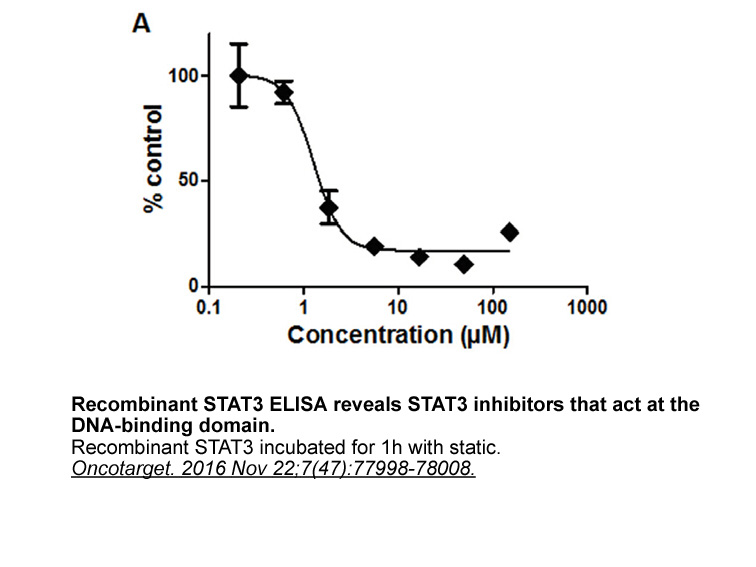
Inhibitors of mPGES-1 are considered as safe alternative to NSAIDs in the treatment of chronic inflammatory diseases that are characterized by excessive PGE2 production (Bahia et al., 2014; Khurana and Jachak, 2016; Koeberle et al., 2016; Korotkova and Jakobsson, 2014; Norberg et al., 2013; Psarra e
-
Introduction hydroxytryptamine HT is found throughout the
2024-11-06

Introduction 5-hydroxytryptamine (5-HT) is found throughout the body and influences smooth muscle activity in various tissues including the intestine, vasculature and urinary protinase k (Kim and Camilleri, 2000, Klarskov and Horby-Petersen, 1986, Mohammad-Zadeh et al., 2008). The current classifi
-
As summarized in Fig autophagy up
2024-11-06
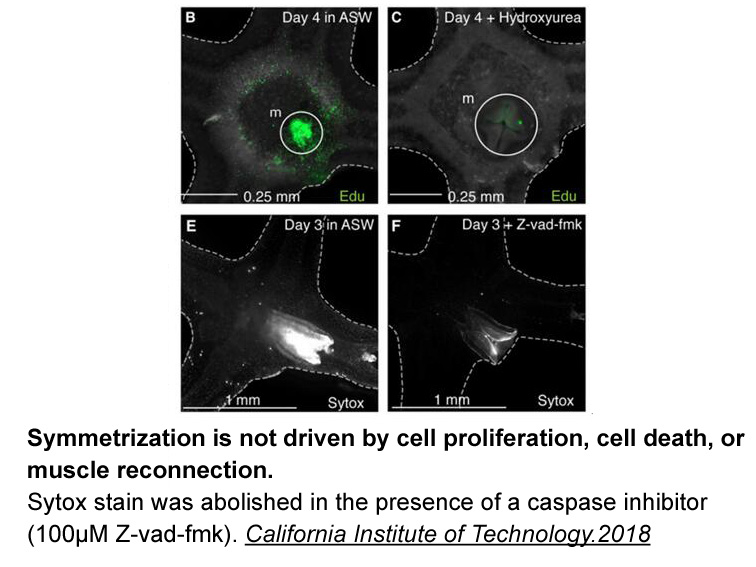
As summarized in Fig. 1, autophagy up-regulation in terms of Beclin 1 induction, increase of LC3 II and p62 down-regulation were observed between 24 and 72 h of cell incubation, this coinciding with the end of the period 27-OH caused slight reduction of cell viability and proliferation as previously
-
Roles of Aurora kinases in directly activating multiple onco
2024-11-06
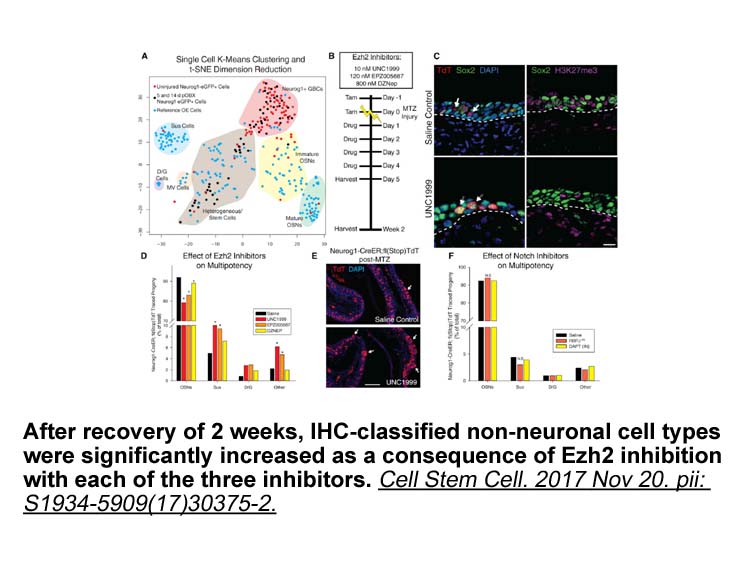
Roles of Aurora kinases in directly activating multiple oncogenic pathways and promoting proliferation as well as transformation have also been demonstrated. Aurora-A has been shown to up-regulate telomerase reverse transcriptase mRNA through c-myc [26]. The kinase was also implicated in activating
-
TPEN Recent studies showed that the increased expression of
2024-11-06
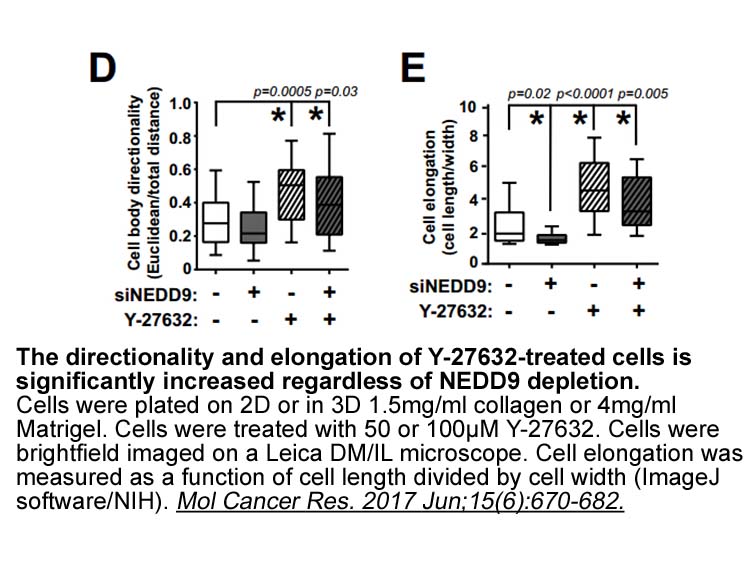
Recent studies showed that the increased expression of Aurora B kinase directly proportional to the tumor invasion and metastasis [61]. The Aurora B kinase regulates the PI2K/Akt signaling pathway has a significant role in tumor invasion and metastasis that leads to phosphorylation of GSK3β on ser 9
-
CHK has been reported to
2024-11-06
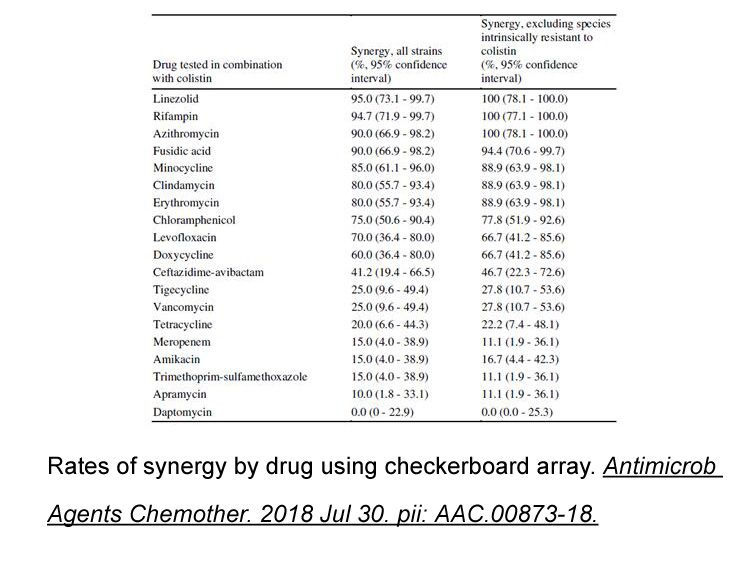
CHK1 has been reported to be the kinase responsible for H3.3S31 phosphorylation in human ALT cancer 2-nbdg buy . However, in our study, knockdown of CHK1 in HEK293F (Figs. S1c and S6) or HeLa S3 (data not shown) cells did not result in a significant decrease in H3.3S31ph, which is in agreement with
-
Among steroid saponins ginsenosides are the active component
2024-11-06
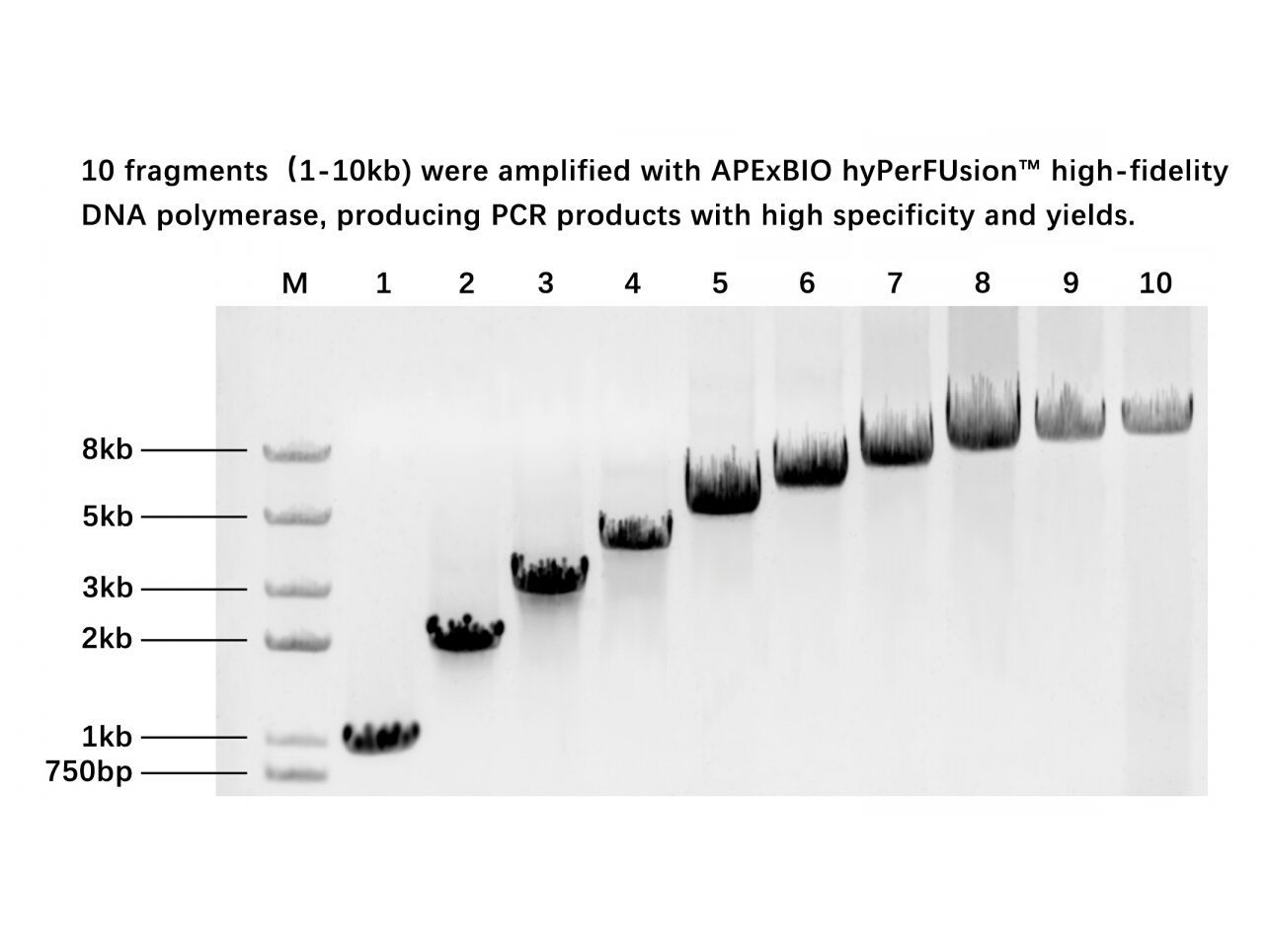
Among steroid saponins, ginsenosides are the active components of ginseng, a well-known chinese medicinal plant. More than hundreds of different ginsenosides have been isolated from ginseng and have shown in the past to be membrane active substances and to influence the membrane by modulating lipid
-
In glucose stimulated pancreatic cells B
2024-11-06
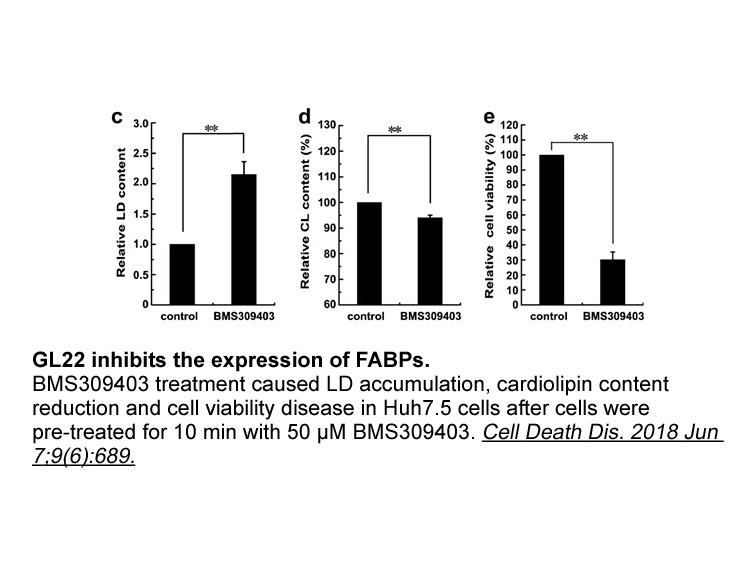
In glucose-stimulated pancreatic β-cells, B-Raf activity is increased, while Raf-1 activity is under the detection limit (Duan and Cobb, 2010). Thus, B-Raf is the primary protein kinase involved in the rapid activation of ERK1/2 in glucose-treated pancreatic β-cells. Expression of a dominant-negativ
-
It is noteworthy to mention the limitations of this
2024-11-05
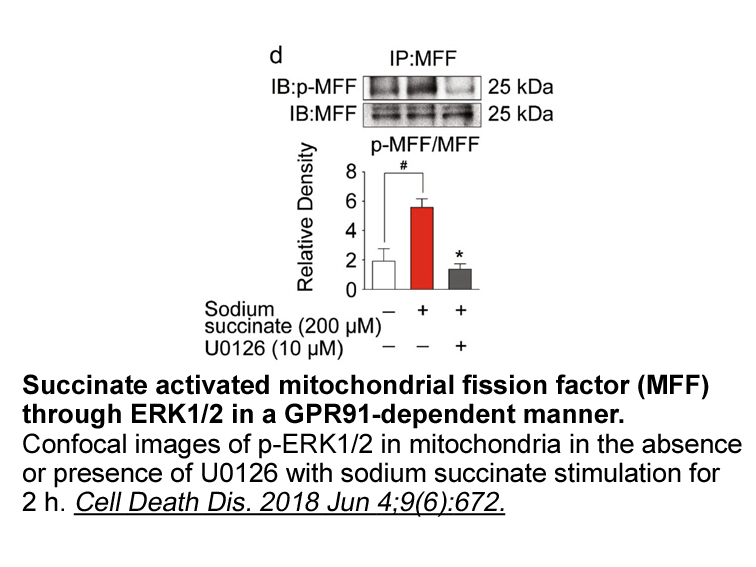
It is noteworthy to mention the limitations of this study like tPA plus LB1 treatment beyond 4 h after stroke was not investigated. Especially 6 or 8 h after stroke could be studied in future projects for translational purposes. Second drawback might be that we performed the experiments in different
-
br Downstream signalling of AKT A
2024-11-05
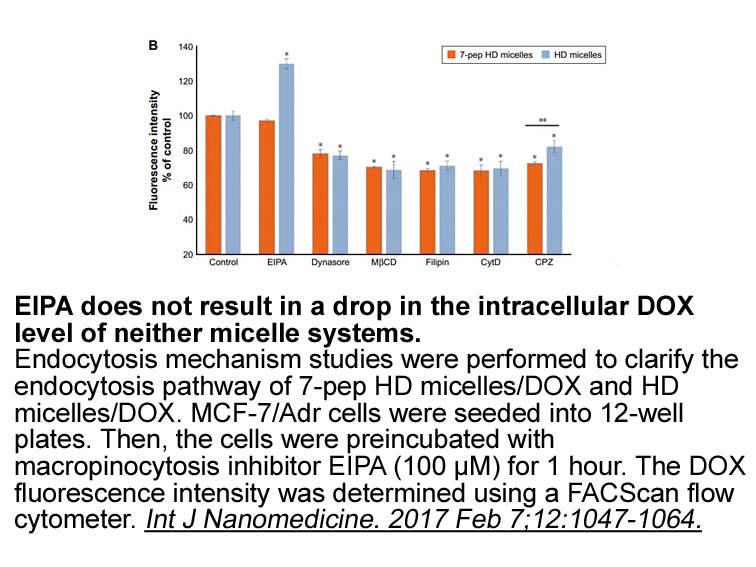
Downstream signalling of AKT A consensus phosphorylation motif has been described for AKT substrates: R-X-R-X-X-S/T-B where X represents any amino Imeglimin hydrochloride receptor and B represents bulky hydrophobic residues (Alessi, Caudwell, Andjelkovic, Hemmings, & Cohen, 1996). Numerous AKT s
-
br Conclusion br Conflicts of interest
2024-11-05
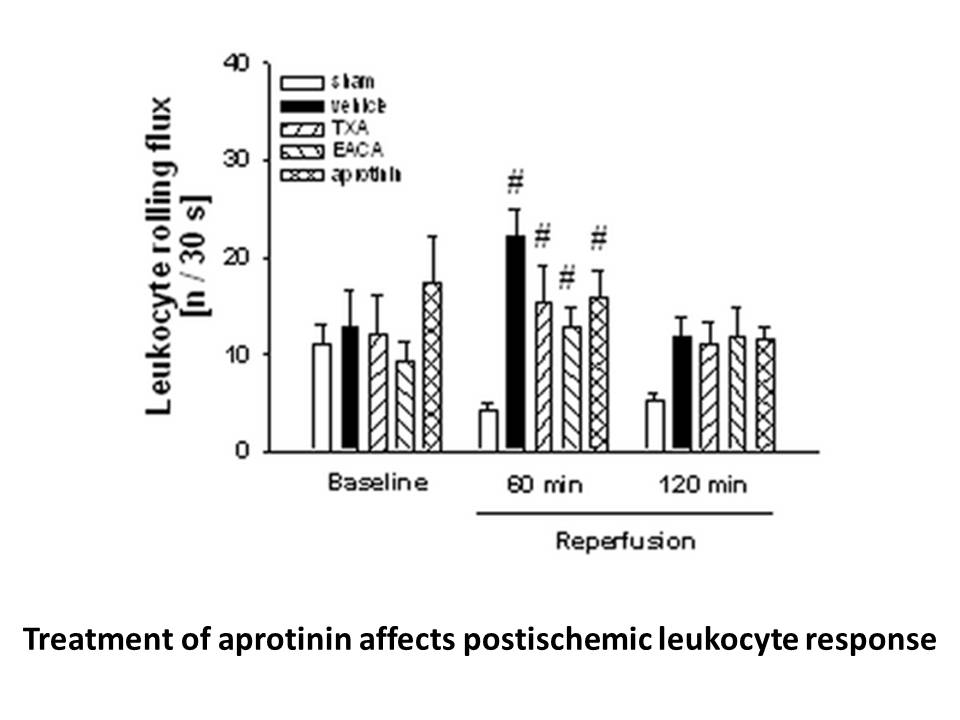
Conclusion Conflicts of interest Compliance with ethical standards Introduction Tuberculosis is one of the leading causes of morbidity and mortality, amongst infectious diseases. India is a high burden country for Tuberculosis. Caused by Mycobacterium tuberculosis, it Presto Blue for re
7996 records 96/534 page Previous Next First page 上5页 96979899100 下5页 Last page